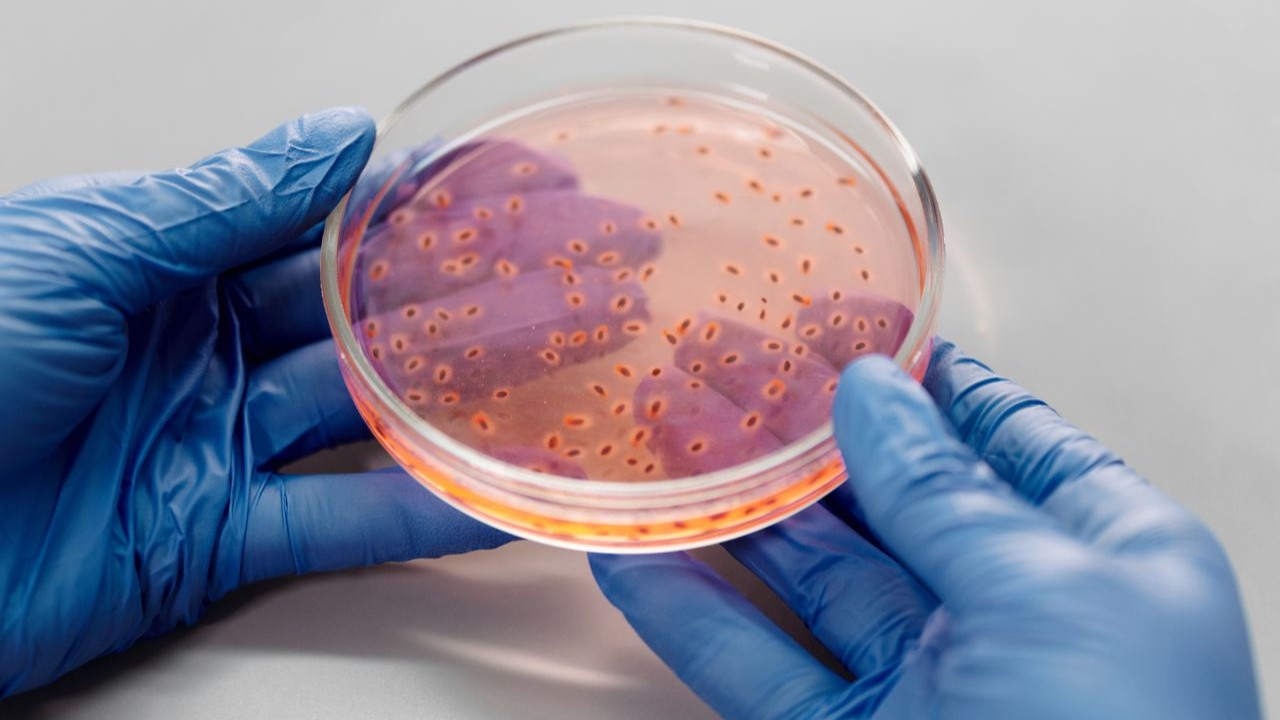
Understanding Shigella and Shigellosis
Shigella species are a group of highly transmissible Gram-negative pathogens, which are bacteria that do not retain the crystal violet stain in the Gram staining method and typically have a thin peptidoglycan layer in their cell wall [2] [3]. These bacteria are the cause of severe intestinal infections known as bacillary dysentery or shigellosis [3]. Shigellosis is characterized by symptoms such as profuse, often bloody, diarrhea, abdominal pain, fever, nausea, and/or vomiting [4]. While symptoms can be severe, the duration of illness is usually short-lived in middle- and higher-income nations [4]. However, in low to middle-income countries (LMIC), shigellosis is associated with higher morbidity and mortality [4].
Globally, Shigella species are responsible for approximately 212,400 deaths per year, with 30% of these occurring in young children under five years old [4]. They cause around 125 million diarrheal episodes annually, affecting all age groups, but are more commonly reported in vulnerable populations [3]. The World Health Organization (WHO) has prioritized Shigella for novel therapeutic interventions due to increasing reports of infections with extensively drug-resistant (XDR) varieties of this stomach bug [2]. The WHO's 2024 priority bacterial pathogens list classifies Shigella spp. as high priority pathogens [1].
There are four recognized species of Shigella: S. flexneri, S. sonnei, S. dysenteriae, and S. boydii [3]. Shigella infection has no substantial non-human reservoir and is primarily transmitted from person-to-person through fecal-oral routes [4] [5]. The infectious dose of Shigella species is low, ranging from 10 to 100 bacteria, facilitating easy transmission through direct contact or via fecally contaminated food or water [5].
Antimicrobial Resistance Patterns in Shigella
Antimicrobial resistance (AMR) is a significant concern for Shigella infections, with various species exhibiting resistance to multiple antibiotic classes [1] [2] [4]. In India, Shigella spp. frequently showed high resistance to fluoroquinolones such as Ofloxacin, Ciprofloxacin, Nalidixic acid, and Norfloxacin [1]. They also demonstrated high resistance to tetracyclines (Tetracycline), sulfonamides (Co-trimoxazole), and aminoglycosides (Streptomycin), with growing resistance observed towards amphenicols (chloramphenicol) and beta-lactams (Ampicillin) [1].
A study in Mumbai, India, found Shigella dysenteriae to be the predominant species in animal-based food samples [3]. These isolates were resistant to tetracycline, ampicillin, trimethoprim, nalidixic acid, cefoperazone (a third-generation cephalosporin), and erythromycin [3]. However, they exhibited complete sensitivity to gentamycin, ciprofloxacin, ofloxacin, and chloramphenicol [3]. This contrasts with other findings of ciprofloxacin resistance in Shigella [1] [4].
Between 2017 and 2021, S. flexneri showed a consistent decrease in susceptibility to established antimicrobials, including first-line drugs like ampicillin and advanced third-generation cephalosporins such as cefixime [2]. Shigella sonnei has long exhibited multidrug resistance (MDR), meaning resistance to at least one antibiotic in three or more antimicrobial categories, against sulphonamides, ampicillin, streptomycin, and tetracycline [4]. More recently, S. sonnei has acquired resistance to azithromycin and ciprofloxacin, which are WHO-recommended treatment options [4]. Extensively drug-resistant (XDR) S. sonnei, defined as resistant to ciprofloxacin and all but one of the second-line antimicrobials (pivmecillinam, ceftriaxone, and azithromycin), has also been observed [4]. This resistance is often associated with the acquisition of extended-spectrum β-lactamase (ESBL) genes, such as those in the blaCTX-M family [4]. Common AMR genes identified in Shigella isolates include dhfrA, sulII, ampC, qnrS, qnrB, blaOXA, blaCTX-M, and blaTEM [2].
Drivers of Shigella Transmission and Resistance
The transmission of Shigella and the emergence of antimicrobial resistance are influenced by a combination of environmental, social, and healthcare factors [1] [2] [3] [4] [5]. Foodborne transmission is a significant route, particularly in developing countries where sanitation and hygiene practices may be poor [3]. Shigella contamination can occur in various food items such as raw vegetables, salads, meat, chicken, fish, prawns, and milk, often due to handling by food preparers or processing with tainted equipment [3]. A study in Mumbai found a higher prevalence of Shigella spp. in meat samples (36.67%) compared to fish (16.67%), prawns (16.67%), milk (20%), and chicken (10%) [3].
Environmental reservoirs, such as urban wastewater receiving untreated hospital effluents, domestic wastewater, and agricultural runoff, are considered hotspots for the enrichment and exchange of antibiotic resistance genes [2]. These environments exert a positive selection pressure for the survival and spread of resistant bacteria [2]. The improper use of antibiotics and lack of monitoring also contribute to increasing AMR in India [1]. Factors such as poor antimicrobial stewardship programs, absence of educational programs for healthcare professionals, over-the-counter (OTC) dispensing of antibiotics, and patients refilling antibiotics using older prescriptions are significant contributors [1].
Sexual transmission of Shigella species has emerged as a significant route, particularly among men who have sex with men (MSM) or gay, bisexual, and other men who have sex with men (GBMSM) [4] [5]. This transmission occurs via direct oral-anal contact, oral-genital contact with contaminated genitalia, or indirect contact via fingers or fomites [5]. In the UK, sexual transmission of S. sonnei has contributed to a high proportion of diagnoses since 2012 [4]. An international outbreak of extensively drug-resistant (XDR) S. sonnei occurred in the last quarter of 2021, linked to MSM-associated transmission [4]. Similarly, S. flexneri serotype 1b emerged as a cause of sexually transmitted shigellosis between 2019 and 2024 in England, showing a rise predominantly among adult males, consistent with patterns seen in prior GBMSM epidemics [5]. Notably, this specific emergence of S. flexneri 1b did not show evidence of an association with the acquisition of antimicrobial resistance determinants, unlike previous GBMSM outbreaks [5].
Genomic Insights and Surveillance for Shigella
Advances in whole-genome sequencing (WGS) technologies and their applications have contributed to the real-time detection of factors contributing to antimicrobial resistance (AMR) in Shigella [2]. WGS helps infer current trends with greater precision based on the presence or absence of specific molecular markers, the co-occurrence of specific genes, and their transmission potential [2]. A comparative pangenome analysis, which involves studying the entire set of genes within a species, including core genes shared by all strains and accessory genes present in some, helps characterize pathogen genomics, existing genomic diversity, and the root causes behind the emergence of vaccine escape variants [2].
A study involving a multidrug-resistant (MDR) Shigella flexneri strain isolated from urban wastewater in West Bengal, India, found it contained approximately 4,500 protein-coding genes, with 57 of these imparting resistance to antibiotics [2]. The comparative pangenomic analysis revealed genomic variability of approximately 64% within S. flexneri, with unique or accessory genes enriched in virulence and defense mechanisms contributing to observed AMR [2]. Pathway analysis of the core genome mapped 22 genes to two AMR pathways, primarily coding for multidrug efflux pumps, which are bacterial proteins that actively transport antibiotic compounds out of the cell, and two-component regulatory systems, which are signaling pathways that allow bacteria to sense and respond to environmental changes [2]. These mechanisms are considered to work synergistically towards resistance [2].
The acquisition of resistance in microbial families like Enterobacteriaceae is accelerated by the gradual shift in antibiotic resistance mechanisms from modifying enzymes and efflux pumps to quickly transposable genetic elements [2]. Mobile genetic elements (MGEs) are DNA sequences that can move around within the genome, and their presence is crucial for inferring the extent of horizontal gene transfer, the non-sexual movement of genetic material between bacteria, which drives genomic diversity and pathogen evolution [2]. In the isolated S. flexneri strain, 10 antibiotic resistance genes were found in close proximity to predicted MGEs, suggesting plausible transfer of resistance genes via MGEs [2].
Genomic epidemiological analyses of Shigella sonnei have revealed an internationally connected outbreak of extensively drug-resistant (XDR) strains, with a most recent common ancestor in 2018 carrying a low-fitness cost resistance plasmid [4]. This plasmid, near identical to p893816, carries blaCTX-M-27 (conferring resistance to ceftriaxone) and other AMR genes [4]. The detection of this same plasmid in S. flexneri 3a suggests its mobilization among different Shigella species [4]. The persistent threat of horizontally transmitted antimicrobial resistance and the value of continued, early, and open international sharing of genomic surveillance data are highlighted by these findings [4]. Continued surveillance of Shigella subtypes is necessary to inform public health interventions aimed at preventing transmission [5].
Conclusion
Shigella remains a major global public health threat due to its high transmissibility, low infectious dose, and growing antimicrobial resistance. The emergence of multidrug-resistant and extensively drug-resistant strains, driven by antibiotic misuse, environmental reservoirs, and human-to-human transmission, is limiting treatment options worldwide. Advances in whole-genome sequencing and genomic surveillance are improving our ability to detect outbreaks, track resistance genes, and understand pathogen evolution. Strengthening sanitation, antimicrobial stewardship, surveillance programs, and international data sharing will be essential for controlling shigellosis and mitigating the spread of resistant Shigella strains.