Background
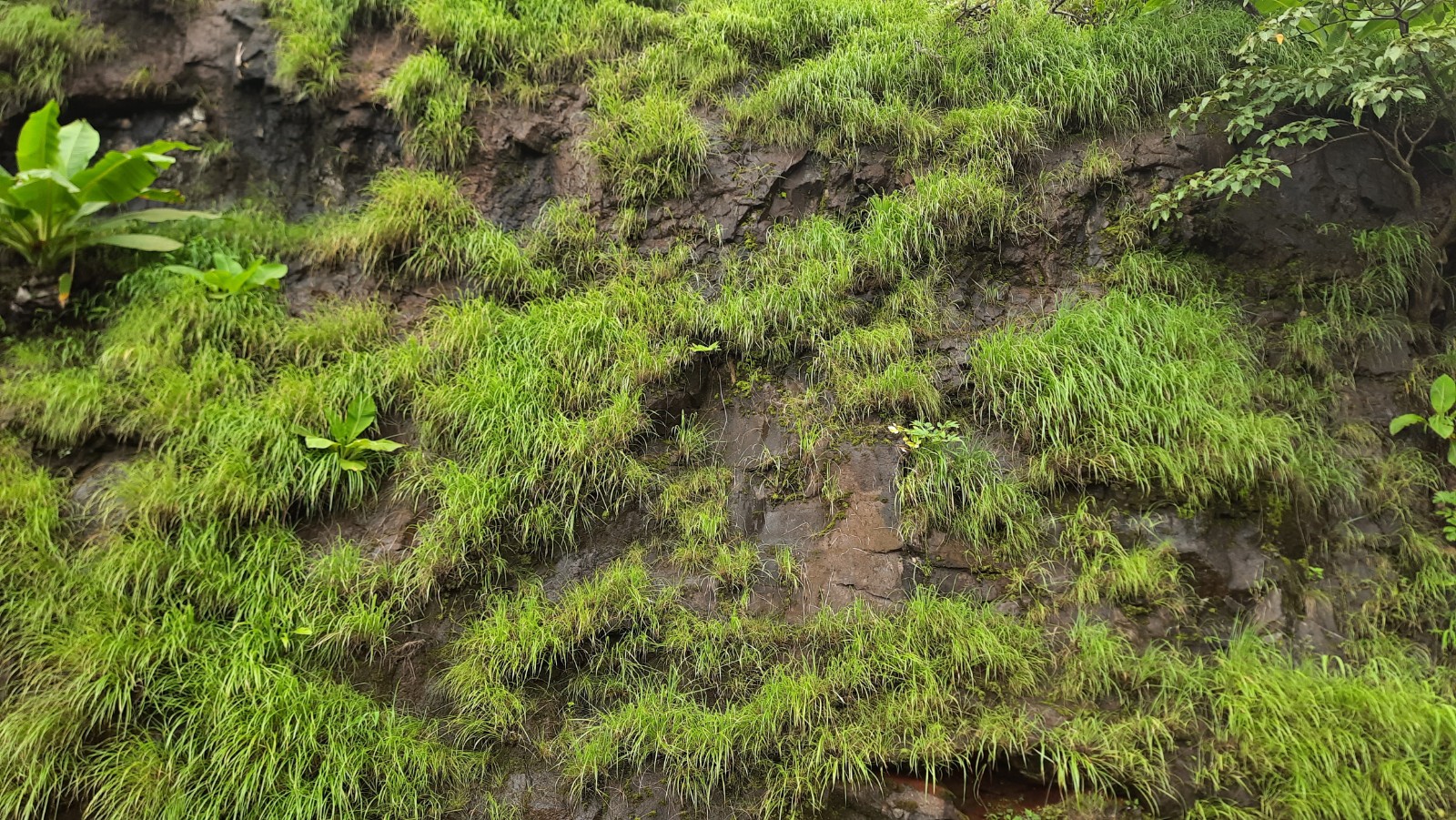
Like any organism, water is essential for plants to survive. When the soil dries and temperatures rise, leaves wilt, photosynthesis slows, and prolonged drought can eventually be fatal [1]. But some remarkable plants have evolved a very different strategy: they wait. During dry periods, these plants can lose almost 80-90% of their cellular water, slow down their metabolism, and curl their leaves into seemingly lifeless structures [2]. They may look brown, dry, and dead. But they are not dead. These are often called desiccation-tolerant or “resurrection” plants [2].
Unlike most plants, they can survive extreme dehydration and recover when water becomes available. The Western Ghats and several other dryland regions of India harbour many such plants, particularly in rocky and gravelly habitats, exposed plateaus, seasonal rock outcrops, and semi-arid landscapes [3]. These habitats can appear harsh and almost barren during the dry season, yet they support plants adapted to repeated cycles of drying and rehydration. Among them are grasses such as Tripogons and Indopoa, gesneriads, and several ferns (Selaginella, Asplenium, etc.) [3]. To date, more than 1000 desiccation-tolerant plant species have been reported worldwide, spanning mosses, ferns, and flowering plants. Interestingly, desiccation tolerance has not been documented in plants exceeding approximately 4m in height [2].
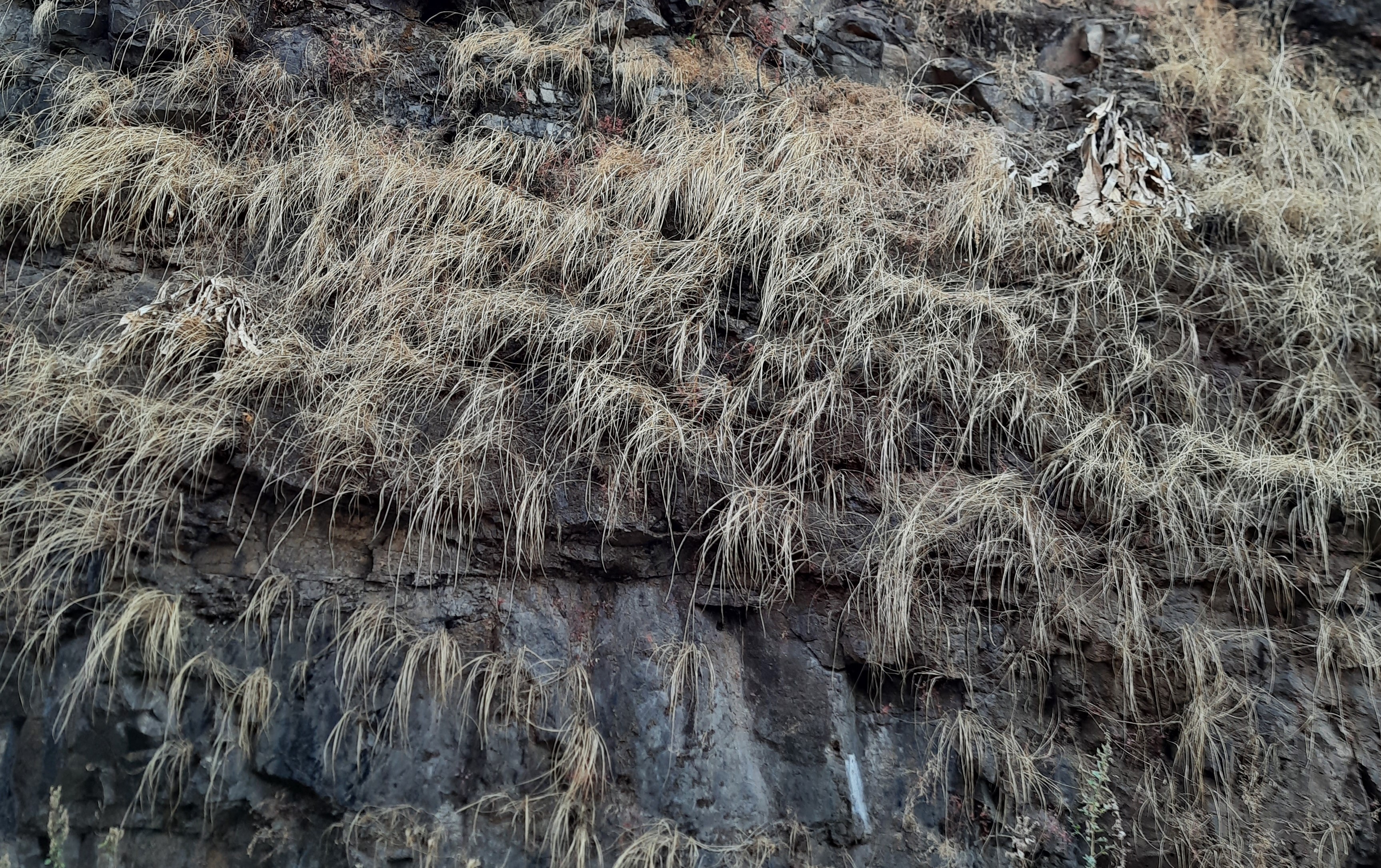
One of the most fascinating things about these plants is the transformation that follows rainfall. Within hours or days, depending on the species and conditions, dried leaves begin to unfold. Cells rehydrate, metabolism resumes, and photosynthesis starts again. What appeared to be a dead plant suddenly becomes green and alive [3].
Are they real?
The remarkable revival of dried plants has often been associated with stories of Sanjeevani, the legendary life-restoring herb of Indian tradition.
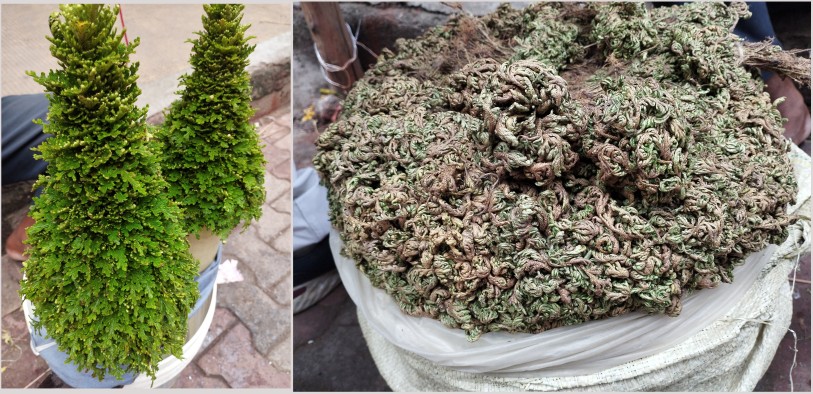
The idea of a plant appearing dead and returning to life after hydration can certainly seem magical. One well-known example is Selaginella bryopteris, a desiccation-tolerant plant native to India and popularly associated with the Sanjeevani tradition. During prolonged dryness, its leaves curl and the plant can become brown and seemingly lifeless. When water becomes available, the leaves gradually unfold, and the plant resumes its physiological activities [4].
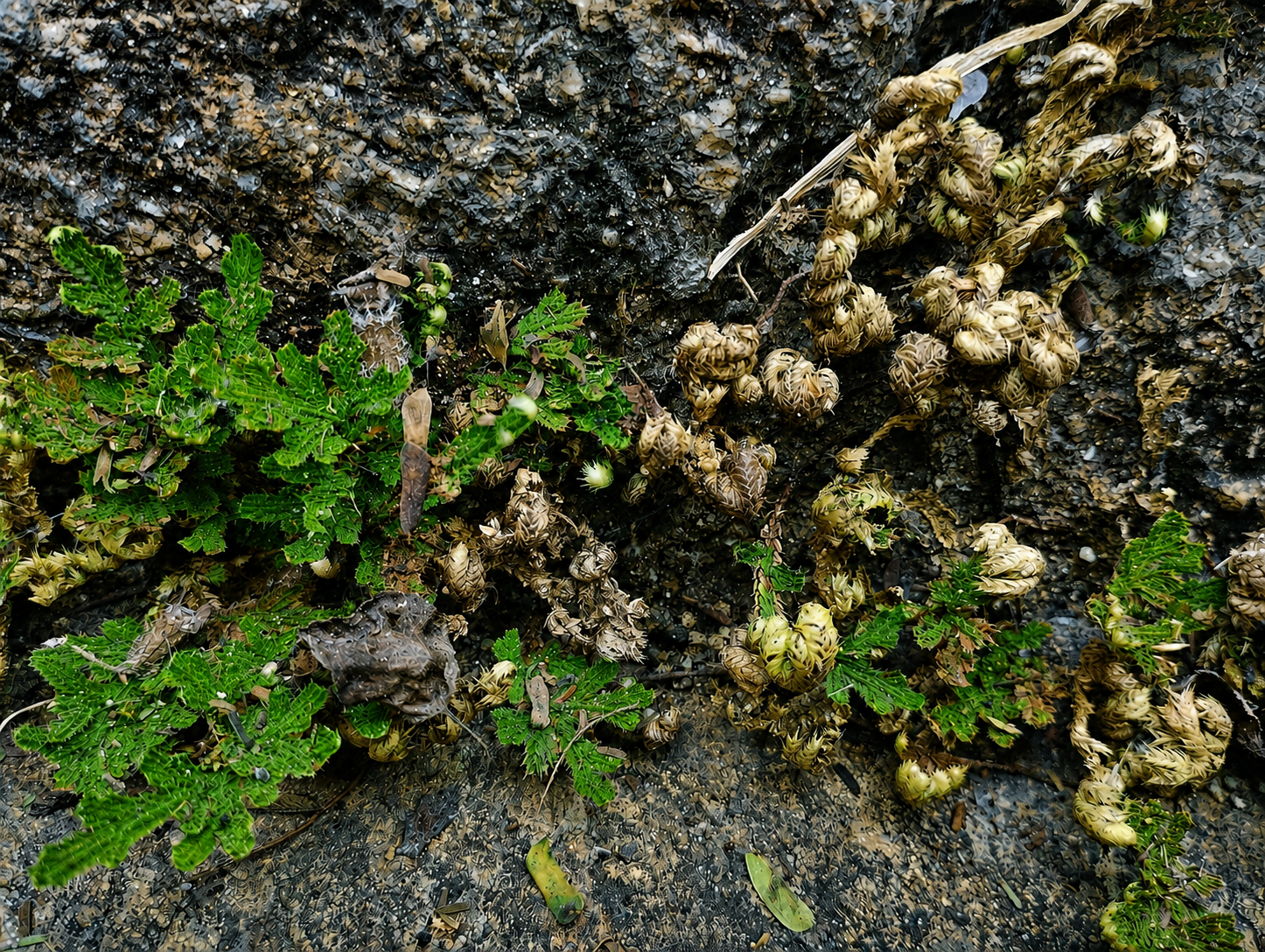
A similar spectacle is famous in plants popularly known as the “Rose of Jericho." Dried specimens curl into tight, brown structures and can remain in this state for long periods. When placed in water, they gradually unfurl, creating the striking appearance of a dead plant coming back to life. However, not all plants sold or referred to as the “Rose of Jericho” or “Sanjeevani” are true resurrection plants in the same biological sense, and the name is used for more than one species [4, 5, 6]. The apparent resurrection is the result of desiccation tolerance, an evolutionary strategy that has evolved over millions of years, rather than a miracle [2].
The science behind resurrection
The secret lies inside their cells. During drying, these plants activate a series of protective mechanisms. They accumulate sugars and other molecules that help protect cell membranes and proteins. Antioxidant systems help control damage caused by reactive oxygen molecules, while specialised proteins can help stabilise cellular structures during dehydration [7]. In simple terms, the plant does not merely tolerate drought; i.e., it actively prepares itself to survive drying.
For plants growing on exposed rocks such as plateaus, cliffs, and boulders, this ability can be particularly important. Soil may be shallow or absent, water drains rapidly, and the surface can become extremely hot and dry. Rainfall may provide water only for a short period before the habitat dries again [3, 8]. On the basalt cliffs, boulders, and laterite plateaus of the northern Western Ghats, brown mats of grass may look lifeless during the eight months of the dry season. Surprisingly, the first rains can trigger a remarkable burst of biological activity. Leaves revive, photosynthesis resumes, and the landscape begins to turn green again [3, 8]. Here, the plant is not fighting the drought every day but is preparing for short and long dry spells.
Insights for a Changing Climate
The ability to survive extreme dehydration is not only an ecological curiosity. This strategy is particularly interesting in the context of a changing climate. Alterations in the timing, duration, and intensity of rainfall can place additional pressure on plants already living close to their physiological limits. Understanding how naturally desiccation-tolerant species survive repeated drying and rehydration may provide valuable insights into plant resilience and drought adaptation [7].
This is particularly relevant to agriculture in semi-arid and drought-prone regions, because many important food crops, including cereals and other grasses in the family Poaceae, are periodically exposed to water stress. While crop plants are generally not resurrection plants, the mechanisms that allow wild grasses and other desiccation-tolerant plants to protect cells during dehydration may offer useful clues for improving drought resilience in crops [9]. Presently, a group of researchers are increasingly interested in how plants use, conserve, and recover from water loss. The future may therefore involve looking beyond conventional crop varieties and exploring the biology of wild grasses and other food plants that have evolved to survive harsh, water-limited environments, with potential implications for food security [9].